Learn the Risks
Health Concerns
Key Health Concerns:
- Cellular damage and oxidative stress
- Neurological effects including headaches and cognitive impairment
- Sleep disruption and fatigue
- Increased cancer risk with long-term exposure
- Children are especially vulnerable due to thinner skulls and developing systems
Scientific Evidence
Frontiers in Public Health
ScienceDirect
De Gruyter Review
Impact on Wildlife
Wildlife Concerns:
- Disruption of bird migration patterns and navigation
- Decline in bee populations and pollination capabilities
- Altered behavior in marine mammals
- Damage to plant life and reduced growth rates
- Particular concern for Florida's unique coastal ecosystems

Research Findings
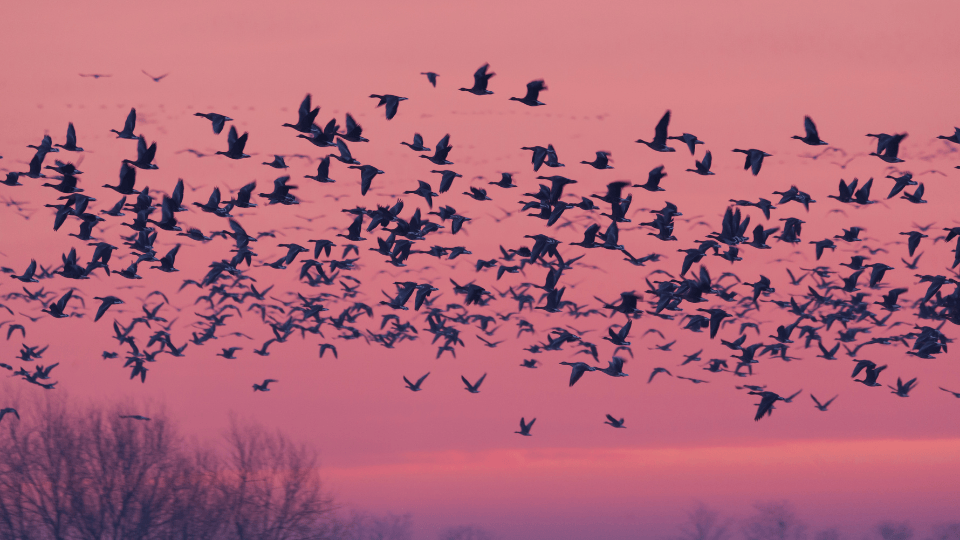
Bird Population Studies
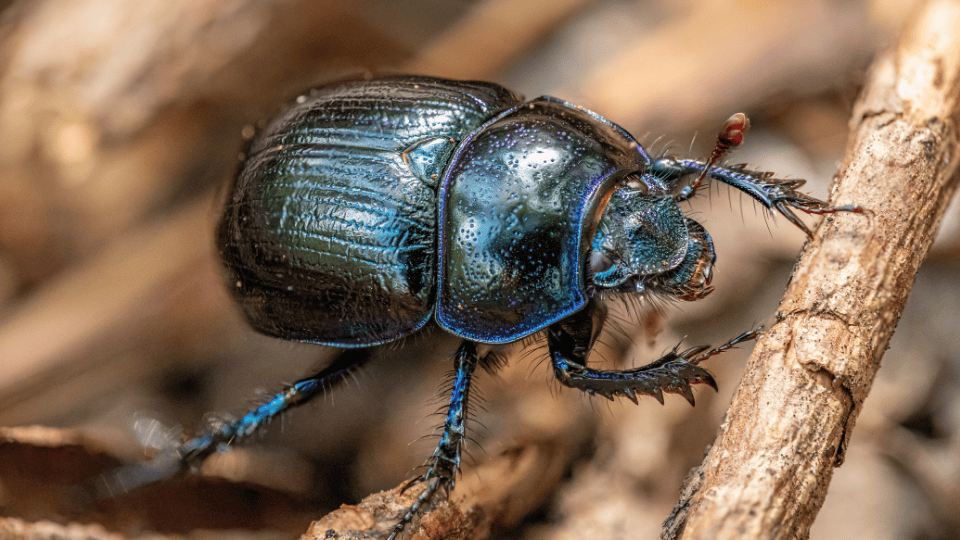
Insect Decline
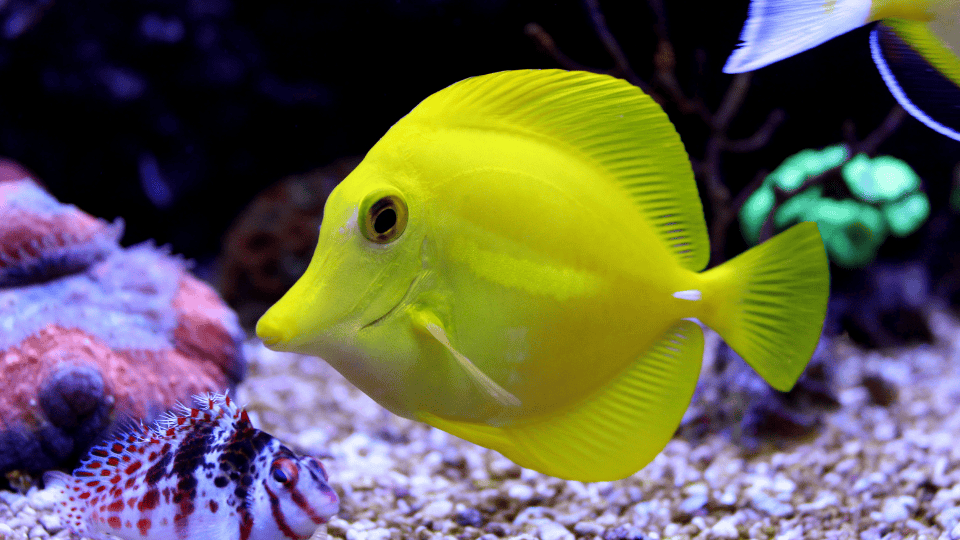
Marine Impact
Property Value Impact
Property Concerns:
- Documented property value drops of 5-20%
- Increased difficulty selling homes near installations
- Aesthetic concerns affecting historic and scenic areas
- Particular impact on Florida's tourism-dependent communities
Insurance & Mortgage Issues

Insurance Concerns:
- Insurance exclusions for EMF-related claims
- Potential mortgage complications
- Liability concerns for property owners
- Lack of industry accountability for damages
Legal Actions & Lawsuits
Class Action Lawsuits
Municipal Challenges
Individual Claims
Regulatory Challenges
The Risk of Adverse Health Effects to Humans
Q: Where can I read more about what scientific experts say on the dangers of 5G?
A: You can find an extensive collection of scientific quotes
HERE
Remember that 5G small cell Wi-Fi antennas require densification: aggregating a large number of these antennas in a small area amplifies the risks.
Hundreds of scientists have evaluated the cell tower RF radiation exposure limits of the US Federal Communications Commission (FCC) and the International Commission for Non-ionizing Radiation Protection (ICNIRP) and found the limits are decades outdated and not protective to the health of the public, especially not the health of children.
Other peer-reviewed studies have demonstrated that exposure to radiofrequency radiation (RFR) – the kind emitted by 5G small cell Wi-Fi antennas, as well as other wireless devices – can have significant adverse effects if they are closer to people than 500 meters (about 1,500’). Densification, of course, requires these small cell antennas to be significantly closer than that in order to work. Many scientists think this is not a risk worth taking.
2024, VOL. 66, NO. 2. Applying the Precautionary Principle to Wireless Technology: Policy Dilemmas and Systemic Risks
(authors: Paul Ben Ishain, Hillel Z. Baldwin, Linda S. Birnbaum, Tom Butler, Kent Chamberlin, Devra L. Davis, Theodora Scarato, and Hugh Taylor)
- In 2003, Surveys of people living near cell tower antennas in France, Spain, Iraq, India, Germany, Egypt, Poland have found significantly higher reports of health issues including sleep issues, fatigue and headaches.
- In 2011, the WHO/International Agency for Research on Cancer (IARC) classified radiofrequency electromagnetic fields as possibly carcinogenic to humans, category 2b (see press release here).
- In 2013, testimony provided by Dr. Anthony Miller indicated that given further research since the IARCs designation, if a working group were to meet today the IARC cancer designation would be category 2a, indicating the emissions from cell phone towers are probably carcinogenic in humans (See his testimony here).
- In 2018, the National Toxicology Program, a part of the US Departments of Heath and Human Services, performed large studies at the request of the FDA that “found that high exposure to RFR (900 MHz) used by cell phones was associated with clear evidence of an association with tumors in the hearts of male rats.” In a press release they noted “we saw evidence of DNA damage in some tissues of some animals,” and noted a need to replicate and further study these results.
- In 2019, the advisory group of the IARC recommended re-evaluation if its 2011 classification of RFR “with high priority”. Page 148 of this report provides detail.
- In 2021, the European Parliament published a research study titled Health Impact of 5G which concluded that commonly used Radio Frequency Radiation (RFR) frequencies (450 to 6000 MHz) “are probably carcinogenic for humans” and clearly affect male fertility with possible adverse effects on the development of embryos, fetuses and newborns (page 1). It further concluded that “the evidence for RF-EMF having a carcinogenic effect, particularly on peripheral and central nervous system cells, is more robust than in 2011” (page 164 of this report).
A note Regarding FCC regulations
(References 1, 2):- In 1996, the FCC established regulations regarding cell phones and tower emissions. These regulations were established with limited test data concentrated on emission levels required to heat tissue. They did not address long term exposure and other potential health impacts.
- In 2013, in light of new research the FCC issued a Notice of Inquiry (NOI) to review the 1996 regulations.
- In 2019, the FCC terminated the NOI without making any adjustments to regulations.
- In 2021, a US appeals court ruled that the FCC’s decision to terminate the NOI was “arbitrary and capricious” and the FCC did not provide a “reasoned explanation” and did not adequately respond to whether the FCC’s guidelines “adequately protect against the harmful effects of exposure to radiofrequency radiation unrelated to cancer.” The court ordered the FCC to:
- Provide a reasoned explanation for its decision to retain its testing procedures for determining whether cell phones and other portable electronic devices comply with its guidelines;
- Address the impacts of RF radiation on children, health implications of long-term exposure to RF radiation, the ubiquity of wireless devices, and other technological developments that have occurred since 1996; and
- Address the impacts of RF radiation on the environment.
- As of January 2024 the FCC has not responded to the court order. Our inquiry to the Environmental Health Trust (EHT) revealed that in 2023 the EHT submitted 375 documents to the FCC, including scientific studies, policy papers, and letters.
Cases of Note:
Jimmy Gonzalez
Jimmy Gonzalez was a lawyer who ran his own family law practice in Coral Gables, Florida. In 2011, at roughly the age of 39, he required surgery to remove 2 tumors, one from his left hand and one from his brain above his left ear. During an interview with the sun sentinal he said, “One day, it came to me,” “maybe there’s something in common with my hand and head.” “Do I have 100 percent scientific study that can say well this is what caused it?” “No but I can’t think of anything that would explain this otherwise.” You can read about Jimmy and his life in his obituary and on the Environmental Health Trust Website.Firefighters in Central California
Firefighters in central California fought and won cell tower removal from near fire stations after firefighters started to show signs of sickness from emissions. This was after brain scans found abnormalities in all the firefighters tested, as well as delayed reaction time, lack of impulse control and cognitive impairment. None of the men worked HazMat, so chemical exposure was ruled out. All the firefighters tested had suffered from sleep disturbances, headaches, lack of focus and memory loss following installation of a tower adjacent to their station five years earlier. A historical website showing the firefighters pleads for help can be found here. Testimonies from the firefighters and a resident representing others on the topic may be found here.Elementary School in Ripon, California
A cell phone tower near an elementary school in Ripon, California was shut down in 2019 after parents and teachers questioned whether it was responsible for several unexplained cases of childhood and teacher cancer. City leaders stated testing of the tower showed emissions below the FCC regulations for exposure. However, as the narrative unfolded, probing for any potential causes, families were left bewildered by the events and frustrated by the lack of answers. Read the story.Fire Station in Summit, Colorado
A fire station in Summit, Colorado was closed unexpectedly in August 2023. Explanations were not provided as the Deputy Chief of Operations informed the media that he couldn’t disclose more information because there were “legal issues”. Investigation revealed staff had raised health concerns, including headaches and “strange things” after T-Mobile upgraded its existing telecommunications equipment on the station. Read the Story.Human Health Risks Associated with Cell and Wireless Radiation
ELEVATED CANCER RISK
-
Adults:
• elevated thyroid cancer risk
• elevated breast cancer risk
• elevated leukemia risk
• elevated brain cancer risk -
Children:
• elevated childhood leukemia risk
• elevated brain tumor risk
BRAIN HEALTH RISKS
-
Adults:
• brain cancer
• decreased memory
• brain fog and difficulty to focus -
Children:
• brain development
• brain tumors
• ADHD
REPRODUCTIVE ISSUES
-
Males::
• reduced sperm quality/count and motility
• decreased testosterone -
Females:
• hormonal changes impacting fetus development
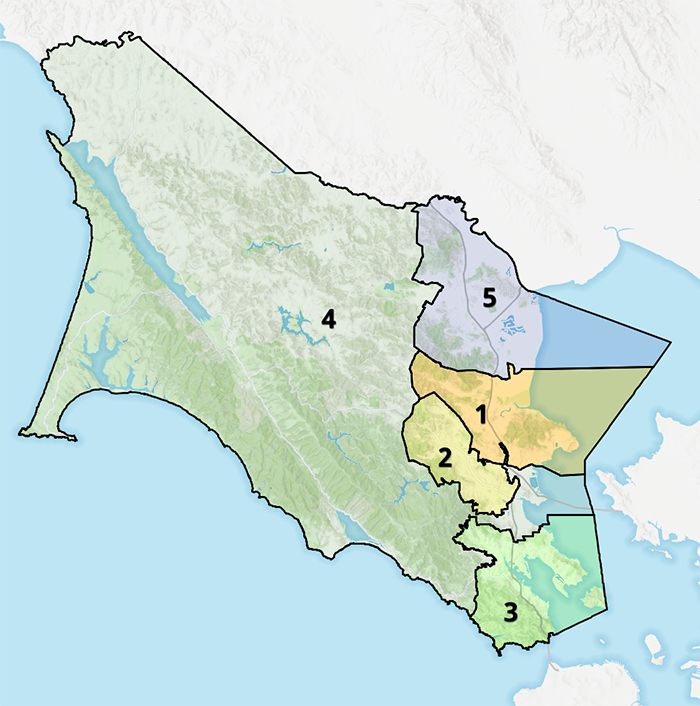
Email addresses for Board of Supervisors
DISTRICT 1: Mary Sackett (mary.sackett@marincounty.gov)
Includes the majority of the City of San Rafael, and unincorporated Lucas Valley, Marinwood, and Santa Venetia
DISTRICT 2: Katie Rice (katie.rice@marincounty.gov)
Includes Fairfax, San Anselmo, Ross, Larkspur, southwest San Rafael, Kentfield, Greenbrae, Oak Manor, and Sleepy Hollow
DISTRICT 3: Stephanie Moulton-Peters (stephanie.moultonpeters@marincounty.gov)
Includes Sausalito, Floating Homes, Marin City, Tam Valley, Almonte, the majority of Mill Valley, Alto-Sutton Manor, Strawberry, Tiburon, and Belvedere
DISTRICT 4: Dennis Rodoni (dennis.rodoni@marincounty.gov)
Includes Coastal West Marin – Muir Beach, Bolinas, Stinson Beach, Olema, Point Reyes Station, Inverness and Inverness Park, Marshall, Tomales, Dillon Beach; the inland rural corridor – Nicasio, Chileno Valley, San Geronimo Valley, and west Novato; and parts of east San Rafael, San Quentin, Corte Madera, Larkspur, and the unincorporated area of Mill Valley
DISTRICT 5: Eric Lucan (eric.lucan@marincounty.gov)
Includes the majority of the City of Novato, and the unincorporated areas of Bel Marin Keys, Loma Verde, Black Point, Green Point, Rush Creek/Atherton Corridor, and Indian Valley
Board of Supervisors’ Districts
You can also send a message to any supervisor or their aide online by visiting Marin County Board page.
Say No to Small Cell Wi-Fi Antennas Near Your Home
You can do something about it!
CALL TO RESIDENTS OF MARIN COUNTY
Write a short email to your District’s Supervisor
Tell your supervisor that:
You support the 5G small cell antenna ordinance drafted by attorney Andrew Campanelli, which will:
- Strengthen Marin County’s existing Title 22 ordinance;
- Give County officials the tools they need to refute telecom industry lawsuit threats with confidence; and
- Responsibly protect Marin County residents, wildlife, and the environment, including the vulnerable, unspoiled charm of Marin’s hidden villages, historic towns, rolling hills and agricultural lands we all cherish.
If other than Supervisor Rodoni / District 4, please cc him on your email as Dennis is also president of the Board of Supervisors this year.
About Health Risks to Bees and Birds
Q: What about the effects of the densification of 5G small cell Wi-Fi antennas in residential neighborhoods on wild birds and pollinators?
Americans for Responsible Technology (ART) reports: “Scientists have found that insects like honeybees can be dramatically affected by high frequencies associated with 5G. These higher frequencies can raise the bee’s internal temperature, leading to changes in behavior and physiology, with unknown and unpredictable results.” ART also reports: “RF (radio frequency radiation) can disrupt the magnetic “compass” that many migrating birds and insects use, causing disorientation and possibly disrupting migration patterns.”
Bees are major pollinators, performing an essential role in dispersing the pollen of the plants we need to survive. In fact, around ⅓ of the food produced globally relies on pollinators, and honeybees are responsible for pollinating about 80–90% of plants we use for food.
So, setting human health risks to the side for a moment, ask yourself if you’re willing to risk our honeybees and birds just so you can download a video game or streaming movie about 40–50 seconds faster than you can now. (Didn’t think so.)
1. Did you know that honey never spoils? Archaeologists have found pots of honey in ancient Egyptian tombs that are over 3,000 years old and still perfectly edible!
2. Did you know bees are essential for growing many of our foods? They pollinate about one-third of the food we eat, including fruits, vegetables, and nuts.
3. Did you know honey has natural healing properties? It can help soothe sore throats and even speed up the healing of wounds and burns due to its antibacterial qualities.
4. Did you know bees produce a tiny amount of honey in their lifetime? A single worker bee produces only about 1/12th of a teaspoon of honey in her entire life, but together they make a lot!
5. Did you know bees communicate through dancing? They perform a “waggle dance” to tell other bees where to find the best flowers.
6. Did you know honey can help your brain? It contains antioxidants that may support brain health and improve memory.
7. Did you know beeswax, made by bees, is used in many everyday products? It’s found in things like candles, lip balm, and even some types of food packaging.
8. Did you know honey can be a natural energy booster? It provides a quick source of energy because it’s packed with natural sugars.
9. Did you know there are over 300 types of honey in the United States alone? The flavor, color, and aroma depend on the flowers that bees visit.
10. Did you know that beekeeping helps many communities around the world? It provides income, supports agriculture, and helps improve food security in many regions.
🐝Some Interesting Facts About Bees 🐝
11. Did you know honey can be used as a natural preservative? Because of its antibacterial properties, honey has been used to preserve fruits and other foods for centuries.
12. Did you know that some bees can recognize human faces? Studies have shown that honeybees can remember and recognize human faces, much like they remember different flowers.
13. Did you know honey can improve your sleep? A spoonful of honey before bed can promote relaxation and better sleep by raising insulin slightly and allowing tryptophan to enter the brain.
14. Did you know bees are colorblind to red? Bees can see ultraviolet light, which humans can’t, but they can’t see the color red. Instead, they see it as black.
15. Did you know honey can help with seasonal allergies? Consuming local honey is believed by some to help build immunity to local pollen and reduce allergy symptoms.
16. Did you know that royal jelly, produced by worker bees, is fed to all bee larvae? However, only those destined to become queens are fed royal jelly throughout their development.
17. Did you know honey has different medicinal uses in various cultures? For example, in Ayurvedic medicine, honey is used to treat digestive issues, and in ancient Egypt, it was used to treat wounds.
18. Did you know bees have a built-in GPS? They use the position of the sun, the earth’s magnetic field, and their own memories of landmarks to navigate and find their way back to the hive.
19. Did you know honeybees are the only insects that produce food eaten by humans? They are unique in their production of honey, which has been a staple in human diets for thousands of years.
20. Did you know that honey can vary greatly in taste and texture? The type of flowers the bees pollinate affects the flavor, color, and texture of the honey. Some honey can even be creamy or spicy!
“Once all the bees are gone, mankind will only last four more years.” ~ Albert Einstein
Email addresses for Board of Supervisors
DISTRICT 1: Mary Sackett (mary.sackett@marincounty.gov)
Includes the majority of the City of San Rafael, and unincorporated Lucas Valley, Marinwood, and Santa Venetia
DISTRICT 2: Katie Rice (katie.rice@marincounty.gov)
Includes Fairfax, San Anselmo, Ross, Larkspur, southwest San Rafael, Kentfield, Greenbrae, Oak Manor, and Sleepy Hollow
DISTRICT 3: Stephanie Moulton-Peters (stephanie.moultonpeters@marincounty.gov)
Includes Sausalito, Floating Homes, Marin City, Tam Valley, Almonte, the majority of Mill Valley, Alto-Sutton Manor, Strawberry, Tiburon, and Belvedere
DISTRICT 4: Dennis Rodoni (dennis.rodoni@marincounty.gov)
Includes Coastal West Marin – Muir Beach, Bolinas, Stinson Beach, Olema, Point Reyes Station, Inverness and Inverness Park, Marshall, Tomales, Dillon Beach; the inland rural corridor – Nicasio, Chileno Valley, San Geronimo Valley, and west Novato; and parts of east San Rafael, San Quentin, Corte Madera, Larkspur, and the unincorporated area of Mill Valley
DISTRICT 5: Eric Lucan (eric.lucan@marincounty.gov)
Includes the majority of the City of Novato, and the unincorporated areas of Bel Marin Keys, Loma Verde, Black Point, Green Point, Rush Creek/Atherton Corridor, and Indian Valley
Board of Supervisors’ Districts
You can also send a message to any supervisor or their aide online by visiting Marin County Board page.
Say No to Small Cell Wi-Fi Antennas Near Your Home
You can do something about it!
CALL TO RESIDENTS OF MARIN COUNTY
Write a short email to your District’s Supervisor
Tell your supervisor that:
You support the 5G small cell antenna ordinance drafted by attorney Andrew Campanelli, which will:
- Strengthen Marin County’s existing Title 22 ordinance;
- Give County officials the tools they need to refute telecom industry lawsuit threats with confidence; and
- Responsibly protect Marin County residents, wildlife, and the environment, including the vulnerable, unspoiled charm of Marin’s hidden villages, historic towns, rolling hills and agricultural lands we all cherish.
If other than Supervisor Rodoni / District 4, please cc him on your email as Dennis is also president of the Board of Supervisors this year.
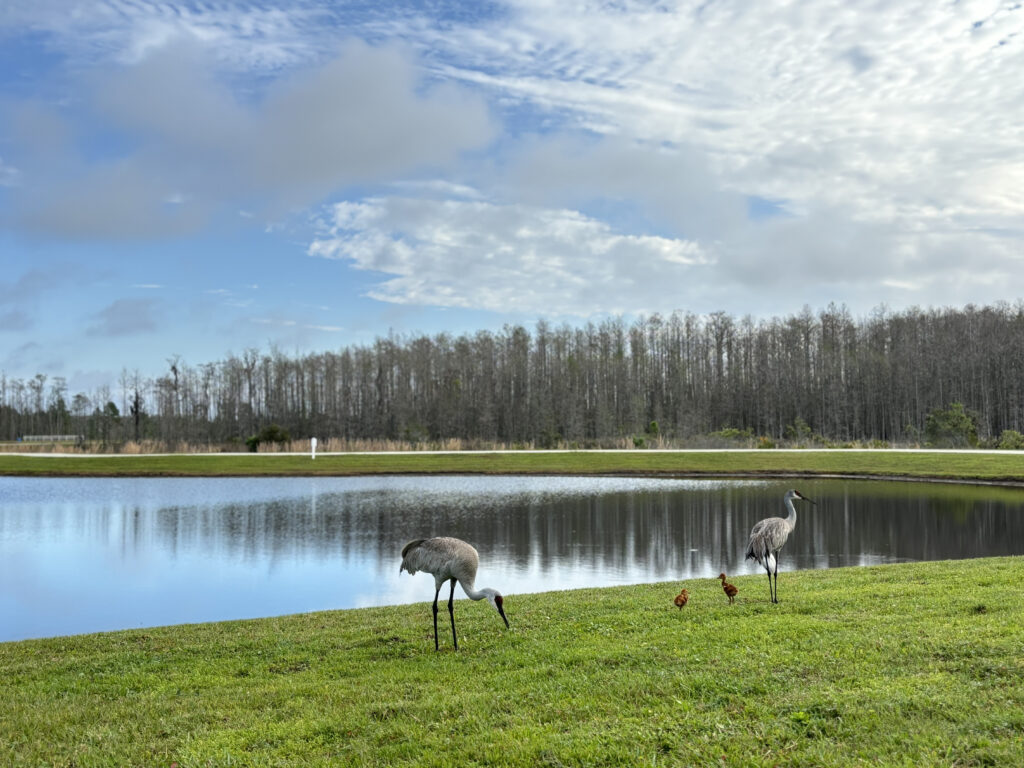
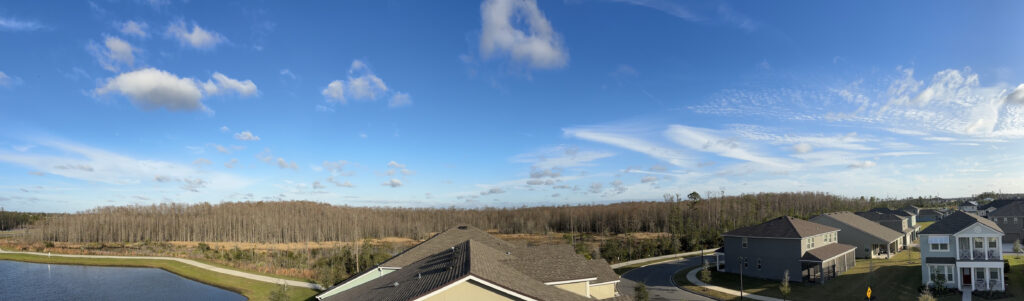
Impact on Plants and Trees:
Refernce:Tree damage caused by mobile phone base stations
Impact on Pets and Wild life
John Reif, from the Department of Veterinary Medicine at Colorado State University, conducted a study revealing a direct correlation between electromagnetic field (EMF) exposure and the development of lymphoma in dogs. Additionally, a case study investigated the impact of residential exposure, such as proximity to telephone wires and high-powered electric lines, on the risk of canine lymphoma in pet dogs. The findings were consistent with expectations: dogs residing in homes with high EMF exposure exhibited a significantly elevated risk of lymphoma, whereas those in lower exposure environments demonstrated a reduced risk.
Studies in epidemiology have revealed that animals exposed to electromagnetic fields may exhibit perceptual and behavioral changes, including fatigue, headaches, and difficulty concentrating. Several investigations, employing rodents and monkeys, have been conducted to explore the impact of Radiofrequency (RF) fields on animals. These studies often involve disrupting behavior patterns, such as work stoppage, to assess the effects of EMF radiation. Notably, one study observed that rats subjected to high levels of EMF radiation struggled to promptly escape from their testing environment.
Research demonstrates that exposure to electromagnetic fields (EMFs) adversely affects both male and female fertility, with many of these investigations focusing on rat models. Specifically, WiFi exposure has been associated with DNA fragmentation and decreased sperm motility, while the heat emitted from laptops has been shown to have the potential to fatally damage sperm cells. Furthermore, studies on implantation in the uterus and lead to abnormal pregnancies. Additionally, EMF exposure during pregnancy has been correlated with a threefold increase in the risk of miscarriage. Notably, a study exposing female mice to Extremely Low Frequency (ELF) magnetic fields throughout their pregnancy revealed fewer offspring, increased rates of spontaneous abortions, and occurrences of fetal deformities. Moreover, surviving offspring exhibited delayed development.
Studies have suggested that exposure to EMFs can interfere with the honey bee’s ability to communicate through their intricate dance language, which plays a crucial role in foraging and colony coordination. Additionally, EMF exposure has been linked to changes in honey bee navigation, potentially leading to disorientation and difficulty finding their way back to the hive. These disruptions in behavior and navigation could have significant consequences for honey bee colonies, affecting their ability to gather resources, maintain population levels, and ultimately impacting pollination services essential for ecosystems and agricultural productivity.
The impact of cell tower emissions on trees is an area of ongoing research and debate. Studies suggest that electromagnetic radiation from cell towers affects tree health. Some researchers propose that exposure to electromagnetic fields may lead to physiological changes in trees, such as altered growth patterns, leaf morphology, or nutrient uptake. Additionally, there are anecdotal reports of trees exhibiting symptoms such as leaf discoloration, premature leaf drop, or stunted growth in close proximity to cell towers.
Refernce:Tree damage caused by mobile phone base stations
The Risk to Residential Property Value
The U.S. Department of Housing and Urban Development (HUD) classifies cell towers as “hazards and nuisances.” Homes in close proximity to these towers often experience a decline in value, a well-documented reality for homeowners, real estate agents, and appraisers.
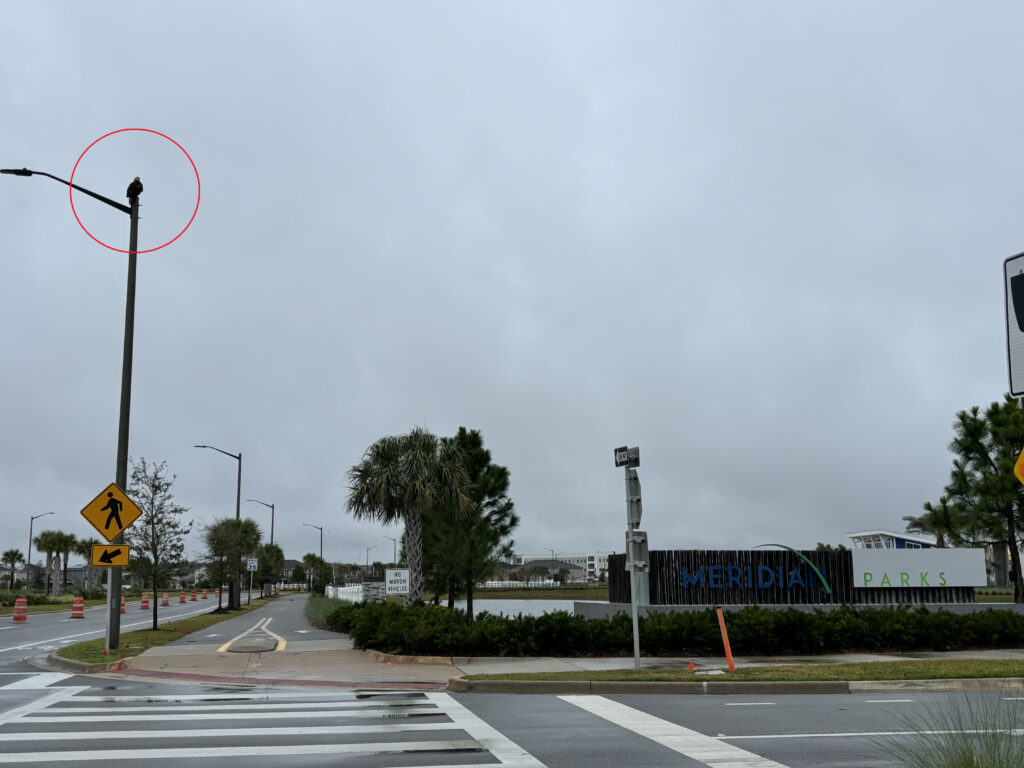
Research indicates that the proximity of a cell tower can have a substantial impact on property values, potentially exceeding 20%. In the context of Meridian Parks, where homes are currently valued between $400,000 and $800,000, even a conservative estimate of a 2% decrease on a $500,000 home could lead to a $10,000 loss for each homeowner. Moreover, the community may experience a decline in real estate tax collection, amounting to $100-$150 per property annually.
If we assume this tax collection loss is perpetual and consider a conservative scenario with 50 homes, leading to recurring city debt of $5000-$7500 per year at a 5% interest rate over a 20 year bond repayment period, the potential cost of a single tower to the city (or in the case of permitting a non-ideal coverage tower placement, an additional tower) could be a staggering $800 thousand to $1.2 million over a resident’s lifetime (approximately 80 years). In a worst case scenario, where debt compounds the potential cost of a single tower to the city could be a staggering $5 million to $7 million over a resident’s lifetime.
These financial implications do not account for the broader impact on property allure and interest. The presence of a cell tower will result in reduced property viewership, diminished buyer interest, and prolonged listing durations.
To illustrate the adverse effects of cell tower placement on property values, we find it most compelling to reference excerpts from relevant sources. The examples provided below serve as representative instances that unmistakably highlight the detrimental impact on property values. Appraisers and real estate agents attest the negative impacts of cell towers near residences and decreased interest in properties.
- Paul Harris. Phone masts blight house sales. The Guardian. May 2003.
- With such restricted employment, the value of their bungalow in the Shropshire countryside was a vital part of their retirement plans. But now that value has been almost halved by the phone mast outside their home. ‘We tried to sell and everyone who came around would see what a lovely home we had and then see the mast so close to us and just leave,’ Mrs Watts said. Their estate agent told them the mast would prevent them from selling their house at anything like the £189,000 it had been valued at. ‘She said that if we wanted a quick sale, we would have to take our asking price down by £70,000-£80,000. That was just heartbreaking,’ Mrs Watts said.
- Sandy Bond. Ko-Kang Wang. The Impact of Cell Phone Towers on House Prices in Residential Neighborhoods. The Appraisal Journal. 2005.
- “The results of the sales analy-sis show prices of properties were reduced by around 21% after a CPBS was built in the neighborhood.”
- “Even buyers who believe that there are no adverse health effects from CPBSs, knowing that other potential buy-ers might think the reverse, will probably seek a price discount for a property located near a CPBS.”
- EMF Real Estate Survey Results: “Neighborhood Cell Towers & Antennas—Do They Impact a Property’s Desirability?” National Institute for Science, Law and Public Policy’s survey. 2014.
- “overwhelming majority of respondents (94%) reported that cell towers and antennas in a neighborhood or on a building would impact interest in a property and the price they would be willing to pay for it.”
- “90% of respondents said they were concerned about the increasing number of cell towers and antennas in their residential neighborhood, generally.’
- “79% said under no circumstances would they ever purchase or rent a property within a few blocks of a cell tower or antenna.”
- David E. Burgoyne.” Impact of Communication Towers and Equipment on Nearby Property Values; Burgoyne Appraisal Company. March 7, 2017.
- “As a general matter, assuming two generally comparable areas, aesthetics will have the most significant impact on property values.”
- “As a general matter, visible utility structures do adversely affect property values.”
- “The impact will generally be related to the size of the facility, the characteristics of the facility, its location (including proximity), and visibility. That is to say, I would expect a tower or other structure that is larger than existing structures to have a greater impact on property values than a structure that is similarly sized and in keeping with other structures.”
- “In 32 years of experience as a Real Estate Appraiser specializing in detrimental conditions, takings, adverse impacts and right-of-way, I have found that aesthetics (or rather the adverse impact on aesthetics) of externalities routinely has the largest impact on property values. As a result, proximity to towers of all types (cell, wind turbine, and electric transmission) has an impact on property values.”
- Ermanno Affuso, J. Ried Cummings, Huubinh Le. Wireless Towers and Home Values: An Alternative Valuation Approach Using a Spatial Econometric Analysis. The Journal of Real Estate Finance and Economics. May 2018 Issue. Published 18 February 2017. Pages 653–676.
- “For properties located within 0.72 kilometers of the closest tower, results reveal significant social welfare costs with values declining 2.46% on average, and up to 9.78% for homes within tower visibility range compared to homes outside tower visibility range.”
- Jason Beck. The Disamenity Value of Cellular Phone Towers on Home Prices in Savannah, Georgia. The Empirical Economics Letters. 2019.
- “Results suggest proximity to cell phone towers can reduce selling price up to 7.6%.”
- Lyle Laver. Your new neighbor, a cell tower, may impact the value of your home. The National Business Post. March 29, 2022.
- “Cellphone towers bring extra tax revenue and better reception to a section of the city, but many are skeptical because of the potential health risks and the impact on property values. Increasing numbers of people don’t want to live near cell towers. In some areas with new towers, property values have decreased by up to 20%.”
- “In 2021, Moira Hahn and Mark Hotchkiss, who have lived at their Long Beach, Calif., address for the last 21 years, received notice from an AT&T subcontractor that a wireless facility would be installed 25 feet from their home. They said they were more concerned about the emissions than the tower’s size and appearance. But five local licensed realtors told them the tower would lower their property’s value by between 20% and 35% or more.”

The Risk of Fire
Living in Marin has so many benefits, yet it also comes with the risk that we are all prone to wildfires. Did you know that currently we have a countywide ordinance-Title 22- which is not strong enough to protect us in the event that high winds knock down lampposts, telephone and utility poles if small cell Wi-Fi antennas are placed on them? Such a frightening scenario puts us at further risk of wildfires than we are already facing.
All over the country, small cell Wi-Fi antennas have proliferated. They’ve been placed on phone and utility poles throughout residential communities. If these should come down during high winds they easily start extremely dangerous electrical fires; firefighters have to wait until the grid is shut off – which can take anywhere from 20 minutes to an hour for PG&E to complete – before they can address the damage. A whole town can be lost in a high wind. These “small cells” could cost you your home!
Property Devaluation
In addition to the risk of fire, why do we need this ordinance right now? Having a cell tower near you or outside your home can devalue your property by up to 20%. This will also influence tax revenue of our county. These small cell antennas and cell towers are electrical installations. California has had at least four major fires in the last four years that have been attributed to faulty telecom equipment. For instance, the Woolsey fire in 2018 cost $6 billion of damage, destroyed almost 100,000 acres of land, evacuated 295,000 residents and caused 3 deaths.
Home Insurance Cancelations and Hikes
Did you know that many of the home insurance companies, such as State Farm, are no longer ensuring homes in Marin and all throughout California?
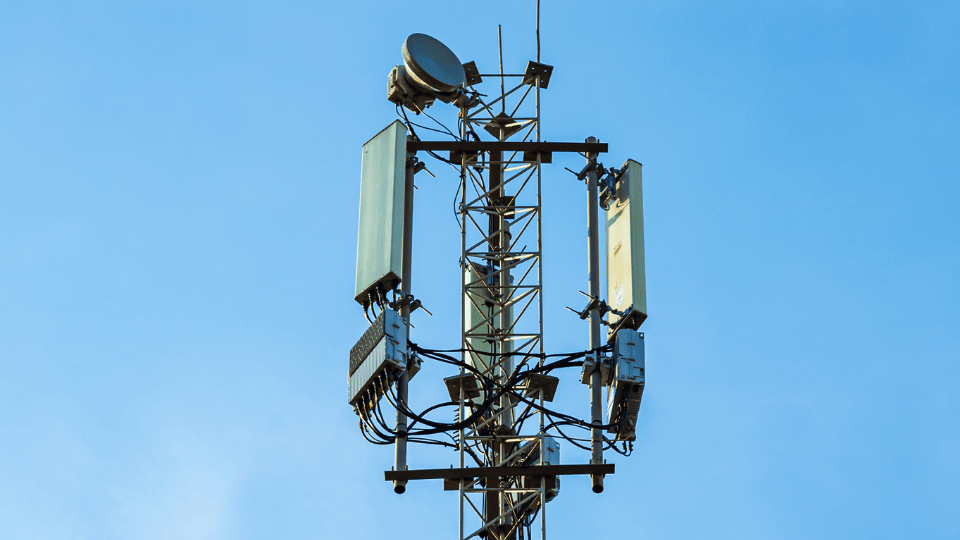
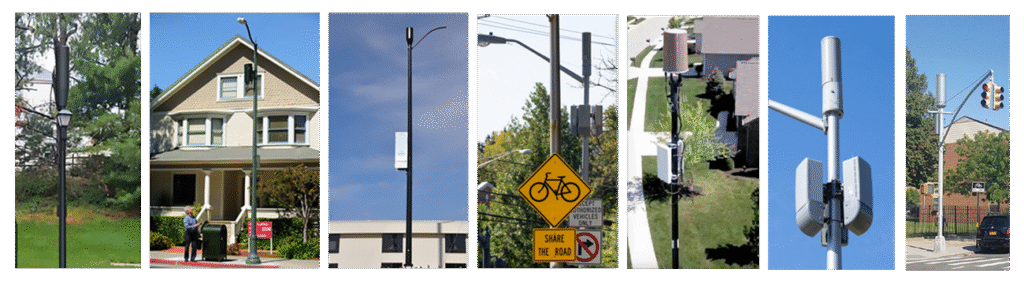
The term “small cell” refers simply to the smaller size of these transmissive antennas, described as having the shape and dimension of a pizza box. It does NOT have anything to do with cellphones, which function via their various telecom carriers. Small cell can, however, be very powerful in the intensity of radiation it emits. This wireless technology is also known as radio frequency (RF) radiation, and in the higher ranges, millimeter wave radiation.
To clarify: 5G is designed to increase Internet speeds over 4G — which is already plenty fast. It is NOT needed to make a call on your cell phone. It is just an add-on.

Small Cell WiFi Antennas Are Everywhere
Email addresses for Board of Supervisors
DISTRICT 1: Mary Sackett (mary.sackett@marincounty.gov)
Includes the majority of the City of San Rafael, and unincorporated Lucas Valley, Marinwood, and Santa Venetia
DISTRICT 2: Katie Rice (katie.rice@marincounty.gov)
Includes Fairfax, San Anselmo, Ross, Larkspur, southwest San Rafael, Kentfield, Greenbrae, Oak Manor, and Sleepy Hollow
DISTRICT 3: Stephanie Moulton-Peters (stephanie.moultonpeters@marincounty.gov)
Includes Sausalito, Floating Homes, Marin City, Tam Valley, Almonte, the majority of Mill Valley, Alto-Sutton Manor, Strawberry, Tiburon, and Belvedere
DISTRICT 4: Dennis Rodoni (dennis.rodoni@marincounty.gov)
Includes Coastal West Marin – Muir Beach, Bolinas, Stinson Beach, Olema, Point Reyes Station, Inverness and Inverness Park, Marshall, Tomales, Dillon Beach; the inland rural corridor – Nicasio, Chileno Valley, San Geronimo Valley, and west Novato; and parts of east San Rafael, San Quentin, Corte Madera, Larkspur, and the unincorporated area of Mill Valley
DISTRICT 5: Eric Lucan (eric.lucan@marincounty.gov)
Includes the majority of the City of Novato, and the unincorporated areas of Bel Marin Keys, Loma Verde, Black Point, Green Point, Rush Creek/Atherton Corridor, and Indian Valley
Board of Supervisors’ Districts
You can also send a message to any supervisor or their aide online by visiting Marin County Board page.
Say No to Small Cell Wi-Fi Antennas Near Your Home
You can do something about it!
CALL TO RESIDENTS OF MARIN COUNTY
Write a short email to your District’s Supervisor
Tell your supervisor that:
You support the 5G small cell antenna ordinance drafted by attorney Andrew Campanelli, which will:
- Strengthen Marin County’s existing Title 22 ordinance;
- Give County officials the tools they need to refute telecom industry lawsuit threats with confidence; and
- Responsibly protect Marin County residents, wildlife, and the environment, including the vulnerable, unspoiled charm of Marin’s hidden villages, historic towns, rolling hills and agricultural lands we all cherish.
If other than Supervisor Rodoni / District 4, please cc him on your email as Dennis is also president of the Board of Supervisors this year.